
Share


Wednesday October 21, 2026 | Tags: #How to care for Abutilon #Abutilon houseplant care #Flowering Maple #Indoor flowering plants #living house plants #daisy ai #ai powered plant care #bayview flowers
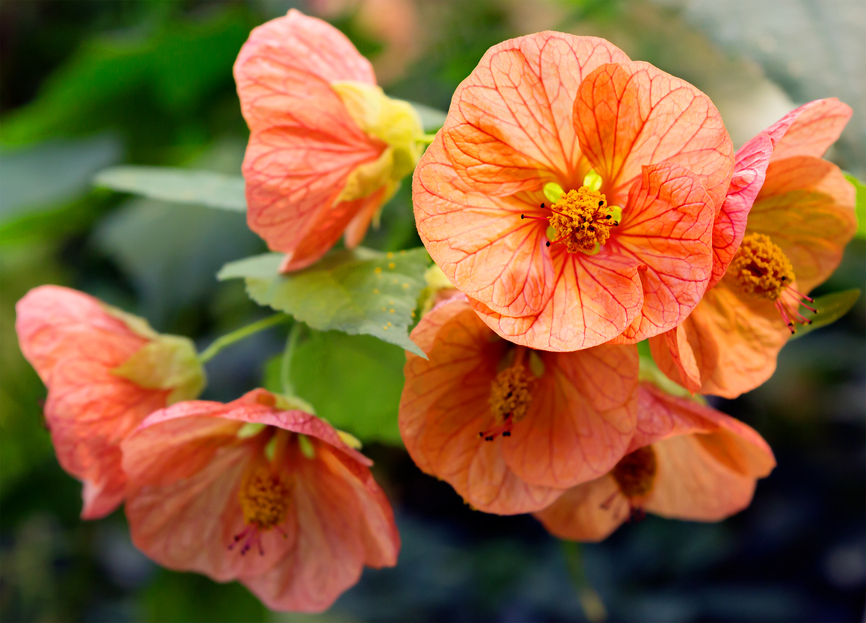
Abutilon, commonly known as Flowering Maple or Chinese Lantern, is a beautiful flowering plant admired for its delicate, bell-shaped blooms and soft, maple-like foliage. Despite its common name, Abutilon is not a true maple but belongs to the mallow family. Its charming flowers come in a variety of colours, including yellow, orange, red, pink, and white, bringing a cheerful, tropical feel to indoor spaces.
With its graceful branching stems, lush green leaves, and colourful blooms, Abutilon makes a stunning addition to bright rooms, sunrooms, and indoor plant collections. When provided with plenty of light and proper care, this fast-growing plant can produce flowers throughout much of the year, adding a continuous touch of natural beauty to your home.
Abutilon thrives in bright light and benefits from several hours of gentle direct sunlight each day. Place your Abutilon near a south- or west-facing window where it can receive plenty of natural light. An east-facing window can also work well, particularly if the plant receives enough morning sunshine.
Adequate lighting is essential for encouraging healthy growth and abundant flowering. Too little light may result in leggy stems, fewer blooms, and slower growth, while intense afternoon sunlight through hot windows can scorch the leaves.
If your home receives limited natural sunlight, consider supplementing with a full-spectrum grow light to help maintain healthy foliage and encourage flowering.
Abutilon prefers evenly moist soil during its active growing season but does not tolerate sitting in waterlogged conditions. Water your plant when the top inch of soil feels dry to the touch, allowing excess water to drain freely from the bottom of the pot.
During spring and summer, when the plant is actively growing and flowering, it may require more frequent watering. In fall and winter, reduce watering slightly as growth naturally slows, but avoid allowing the soil to dry out completely for extended periods.
Drooping leaves can indicate that your Abutilon is thirsty, while yellowing leaves and consistently wet soil may be signs of overwatering. Maintaining a balanced watering routine will help keep your plant healthy and its blooms looking their best.
Abutilon appreciates moderate humidity, ideally around 40–60%, making it well suited to many indoor environments. While it can adapt to typical household humidity levels, excessively dry air may cause leaf edges to brown or flower buds to drop.
If your home becomes particularly dry during winter, consider using a humidifier or grouping your Abutilon with other houseplants to maintain a more comfortable growing environment.
Abutilon grows best in temperatures between 60–75°F (16–24°C). It appreciates slightly cooler conditions at night, which can help support healthy growth and flowering. Keep your plant away from cold drafts, heating vents, and sudden temperature fluctuations that may stress the plant.
Choose a rich, well-draining potting mix that retains some moisture while allowing excess water to escape. A quality indoor potting mix amended with perlite or coco coir works well, providing the right balance of moisture retention and aeration.
Abutilon grows relatively quickly and may become rootbound over time. Repot every 1–2 years, preferably in spring, into a container slightly larger than the previous one. Always select a pot with drainage holes to prevent excess moisture from accumulating around the roots.
Refreshing the soil during repotting helps replenish nutrients and provides the root system with room to support continued growth and flowering.
Abutilon is a relatively heavy feeder, especially when actively producing flowers. During spring and summer, feed your plant every 2–4 weeks with a balanced liquid fertilizer diluted according to the manufacturer's instructions.
Regular feeding supports healthy foliage, strong stems, and continued flower production. A fertilizer formulated for flowering houseplants can also be beneficial when used as directed.
Avoid overfertilizing, as excessive nutrients can lead to salt buildup in the soil and may damage the roots. Reduce or stop fertilizing during winter when growth slows, and resume feeding as new growth appears in spring.
Abutilon is a fast-growing plant that can develop long, arching branches and a naturally bushy appearance. Regular pruning helps maintain a compact, attractive shape while encouraging new growth and additional flowering stems.
Trim back leggy or overgrown branches in late winter or early spring using clean, sharp pruning shears. Pinching the tips of young stems throughout the growing season can also encourage branching and create a fuller plant.
Remove spent flowers and damaged or yellowing leaves as needed to keep your Abutilon looking tidy. With proper care, this flowering beauty can become a stunning focal point in your indoor plant collection.
Abutilon can be propagated through stem cuttings, making it easy to grow new plants from an established favourite.
Select a healthy, non-flowering stem approximately 4–6 inches long and make a clean cut just below a leaf node. Remove the lower leaves, leaving a few at the top, and place the cutting into a moist, well-draining propagation mix.
Keep the cutting in a warm location with bright, indirect light and maintain consistent moisture without oversaturating the soil. Providing additional humidity can help encourage root development.
Roots typically begin forming within several weeks, although rooting time can vary depending on temperature and growing conditions. Once the cutting has developed a healthy root system, transfer it into a small pot and continue caring for it as a young Abutilon plant.
Abutilon, commonly known as Flowering Maple, is generally considered a low-toxicity plant, but pet safety information can vary depending on the species and common name being referenced.
Because some plants share similar common names, it is important to confirm the exact botanical identification before determining whether a particular Abutilon variety is safe for cats and dogs.
As a precaution, keep your Abutilon out of reach of curious pets. Chewing or consuming plant material may cause digestive discomfort, even when a plant is not considered highly toxic. If your pet ingests part of the plant and develops unusual symptoms, contact your veterinarian for guidance.