
Share


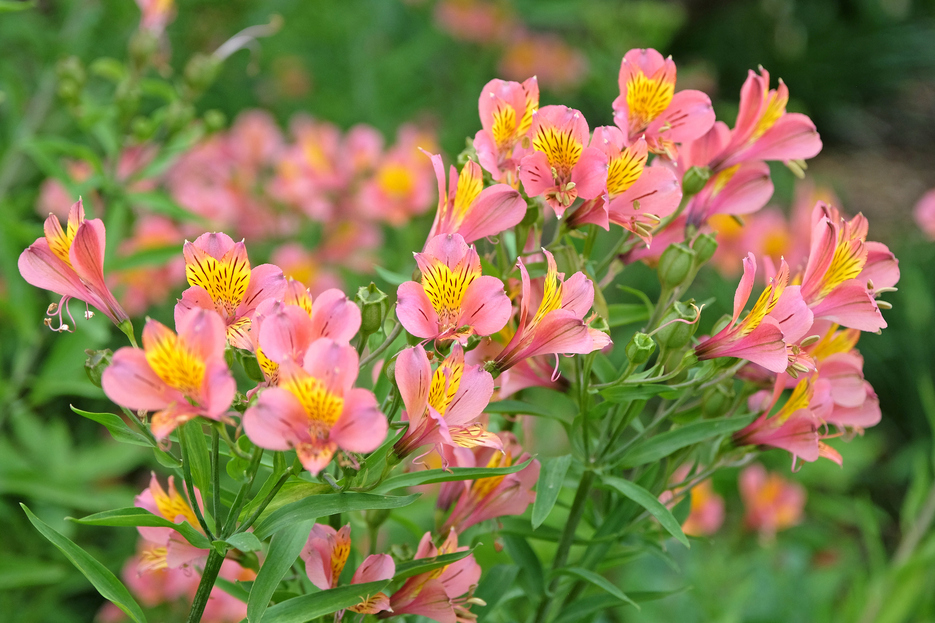
Alstroemeria, commonly known as Peruvian Lily or Lily of the Incas, is a beautiful flowering plant admired for its vibrant, trumpet-shaped blooms and delicate patterned petals. Its flowers come in a stunning variety of colours, including pink, orange, yellow, red, purple, and white, often featuring distinctive streaks and speckles that make each bloom unique. With its lush green foliage and clusters of colourful flowers, Alstroemeria brings a cheerful, elegant touch to any indoor space.
Native to South America, Alstroemeria is loved for its long-lasting flowers and ability to produce multiple blooms throughout its growing season. While commonly enjoyed in floral arrangements, potted Alstroemeria can also thrive in bright indoor spaces, sunrooms, and outdoor containers when provided with the right conditions. With proper care, this flowering beauty can reward you with an impressive display of colourful blooms.
Alstroemeria thrives in bright light and benefits from several hours of gentle direct sunlight each day. Place your plant near an east- or south-facing window where it can receive plenty of natural light without being exposed to excessive afternoon heat.
Adequate sunlight is essential for encouraging strong stems, healthy foliage, and abundant flower production. Too little light may cause weak growth and fewer blooms, while intense direct sunlight during the hottest part of the day can cause leaf scorching or premature flower fading.
If your home receives limited natural light, a full-spectrum grow light can help provide the additional brightness needed to support healthy growth and flowering.
Alstroemeria prefers evenly moist soil during its active growing and flowering periods. Water your plant when the top inch of soil feels dry to the touch, allowing excess water to drain freely from the bottom of the pot.
During spring and summer, Alstroemeria may require more frequent watering, particularly when temperatures are warmer and the plant is actively producing flowers. Avoid allowing the soil to become completely dry for extended periods, as this can cause wilting and reduced flower production.
At the same time, overwatering can lead to root and rhizome rot. Always ensure your pot has proper drainage and never allow the plant to sit in standing water.
As flowering slows and the plant enters a natural resting period, gradually reduce watering to match its lower moisture requirements.
Alstroemeria prefers moderate humidity, generally around 40–60%, making it suitable for many indoor environments. It does not require the high humidity levels of some tropical houseplants, but extremely dry air may contribute to leaf browning or faster flower fading.
This plant performs best in cooler growing conditions, ideally between 60–75°F (16–24°C). Alstroemeria particularly appreciates cooler nighttime temperatures, which can help support healthy growth and flowering.
Excessive heat can reduce flower production and cause blooms to fade more quickly. Keep your plant away from heating vents, hot windows, and sudden temperature changes.
During warmer months, potted Alstroemeria can also be enjoyed outdoors in a sheltered location with morning sunlight and protection from intense afternoon heat. Bring it indoors before temperatures approach freezing.
Choose a rich, well-draining potting mix that retains some moisture without becoming waterlogged. A quality potting mix amended with perlite or other drainage-enhancing materials works well for supporting healthy root development.
Alstroemeria grows from underground rhizomes and develops fleshy, delicate roots that require adequate space to grow. Select a container with drainage holes and enough depth to accommodate the root system.
Repot your Alstroemeria when it becomes crowded or outgrows its container, ideally in early spring before active growth begins. Handle the roots and rhizomes carefully during repotting, as they can be sensitive to disturbance.
Refreshing the potting mix helps replenish nutrients and creates a healthy growing environment for continued flowering.
Alstroemeria benefits from regular feeding during its active growing and flowering season. Apply a balanced liquid fertilizer every 2–4 weeks during spring and summer, following the manufacturer's recommended dilution instructions.
Consistent feeding helps support strong stems, healthy green foliage, and continued flower development. A fertilizer formulated for flowering plants can also be beneficial when used as directed.
Avoid applying excessive fertilizer, particularly products high in nitrogen, as this may encourage leafy growth at the expense of flower production.
Reduce or stop fertilizing when growth naturally slows or the plant enters dormancy, and resume feeding when new growth appears.
Alstroemeria grows in upright clusters of leafy stems topped with colourful flowers. Regular maintenance helps keep the plant looking attractive while encouraging healthy new growth.
Remove faded flowers and yellowing stems as needed to maintain a tidy appearance. Once a flowering stem has finished blooming, it can be removed to allow the plant to direct energy toward developing new shoots.
For established, healthy plants, spent flowering stems can sometimes be gently pulled from the base, which may encourage new growth. However, if the stem does not release easily, use clean pruning shears to avoid damaging the underground rhizomes.
Alstroemeria naturally experiences periods of active growth and rest. If foliage begins to yellow and die back after flowering, this may indicate the plant is entering dormancy rather than experiencing a care issue.
With proper lighting, watering, and temperature conditions, your Alstroemeria can produce beautiful flushes of flowers throughout its growing season.
Alstroemeria is most commonly propagated through division of its underground rhizomes. This method allows you to create new plants while maintaining the characteristics of the parent plant.
The best time to divide Alstroemeria is during its dormant period or in early spring before new growth begins.
Carefully remove the plant from its container and gently separate the rhizomes into sections, ensuring each division has healthy roots and growing points. Handle the fleshy roots with care, as they can break easily.
Plant each division into a separate container filled with fresh, well-draining potting mix. Water lightly after planting and place the divisions in a bright location away from intense direct sunlight while they establish.
New growth should begin to appear as the plants develop healthy root systems, although establishment times can vary depending on growing conditions.
Alstroemeria, commonly known as Peruvian Lily, is classified as non-toxic to cats and dogs by the ASPCA, making it a more pet-friendly option than true lilies.
Despite its common name, Alstroemeria is not a true lily and does not carry the same severe toxicity risks associated with plants in the Lilium and Hemerocallis genera.
However, consuming Alstroemeria foliage or flowers may still cause mild digestive upset, including vomiting or diarrhea, in some pets.
As with any houseplant, it is best to keep your Alstroemeria out of reach of curious cats and dogs to protect both your pets and the plant's delicate flowers. If your pet consumes part of the plant and develops unusual symptoms, contact your veterinarian for guidance.